

Author
affan
Publish Date
April 23, 2026
Latest Update
April 23, 2026
With great excitement, you launched your new e-commerce website without fully considering mobile traffic. The design looked premium, everything seemed polished and the store was ready to start generating orders. So, you waited for a few months and expected sales to grow but the orders barely came in. This has happened because you did not consider mobile customers at the initial stage of website development.
And this one decision affects everything. Navigation becomes difficult, checkout turns frustrating and performance becomes inconsistent in mobile devices. Every small friction point gradually builds into a much larger problem and ultimately, it costs your revenue.
Our research on the top 50 global e-commerce brands shows that over 60% of e-commerce traffic now comes from mobile devices, yet mobile UX and performance still rank among the lowest-performing areas with an average score of just 3.8 out of 5.
Let’s break down the main problems and more importantly, how you can fix them before development even begins.
Most e-commerce projects start with a desktop-first mindset where mobile is treated as something to adjust later. This creates a gap because mobile users behave differently. They scroll faster, expect instant responses and rely on touch interactions.
When mobile user experience(UX) isn’t defined during requirement analysis then layouts and flows are often hard to navigate on smaller screens. This results in user frustration, higher bounce rates, and lost revenue as users leave before reaching checkout.
Navigation is a major reason why stores lose customers. Desktop menus may look structured but in mobile navigation often become compressed, hidden or confusing..
Speed plays a critical role in e-commerce success. Many mobile product pages are still slow due to heavy images, unoptimized scripts and too many third-party tools. Even a small delay on mobile feels noticeable to users who expect instant response. As load time increases, bounce rates rise and engagement drops. What seems like a small technical issue can quietly lead to significant revenue loss over time.
The best approach starts before development begins. A mobile-first requirement analysis defines how users will interact with the store from the start. It covers navigation, layout, performance goals and checkout flow in advance. This helps prevent user experience (UX) issues instead of fixing them later.
By aligning design, development and strategy with real user behavior, businesses can build a store that is faster, easier to use and more conversion-focused from day one.
Good mobile navigation is built around simplicity and speed. Keeping the header always visible, using clear menus, adding smart search with autocomplete, and offering fast filters all help users browse smoothly without effort.
When users can quickly find products without confusion, they stay longer and engage more. That’s why clear navigation reduces friction, improves product discovery and directly increases conversion rates.
Improving accessibility enhances the experience for all users. That’s why you should use larger tap areas, better contrast, and clear feedback messages that make interactions smoother. These improvements not only support users with specific needs but also create a better overall experience on mobile devices.
However, all of these may sound technical to you but for Oyolloo is just an easy task to do. Oyolloo will help you to build a mobile user experience(UX) before development begins
Oyollo will mainly focus on:
So, don’t let poor UX quietly drain your revenue.
Partner with Oyolloo to build a mobile-first experience that actually converts. Book our services today and get a free requirement analysis to uncover what’s holding your store back.
Explore more insights, tips, and expert guides to help you create better designs and make smarter decisions.

Do you know that nearly 60% of your sales are now coming from mobile users? But the user experience (UX) still quietly pushes customers away.
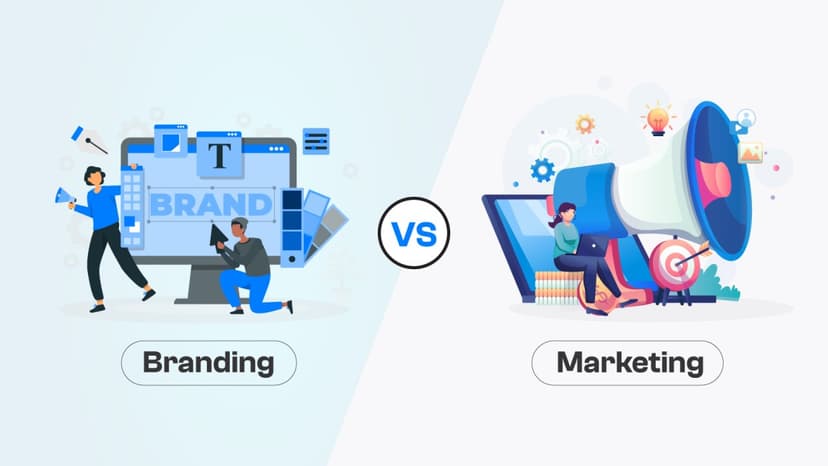
Branding vs Marketing: Unveiling the crucial differences and impact on business success. Choose wisely to thrive in the competitive landscape

0+Happy clients served
A good UI UX design agency can greatly impact how users interact with your service or product. Whether you are a budding entrepreneur or a well-established company, you are guaranteed expert guidance